How Heat Pump Works? Complete Guide to Heat Pump Technology
Learn how a heat pump works, its working principle, components, advantages, COP, electricity savings, and why Boosto heat pumps reduce water heating costs by up to 75%.
How Heat Pump Works? Understanding the Technology Behind Energy-Efficient Water Heating
Hot water is an essential part of modern life, whether at home, in hotels, hospitals, hostels, factories, or commercial buildings. Traditionally, electric water heaters and gas boilers have been used to heat water. However, these methods consume significant amounts of electricity or fuel, resulting in higher operating costs.
Heat pump technology has transformed the water heating industry by offering an energy-efficient, environmentally friendly, and cost-effective alternative. Unlike conventional heaters that generate heat directly, a heat pump transfers heat from the surrounding air into the water, making it one of the most efficient water heating systems available today.
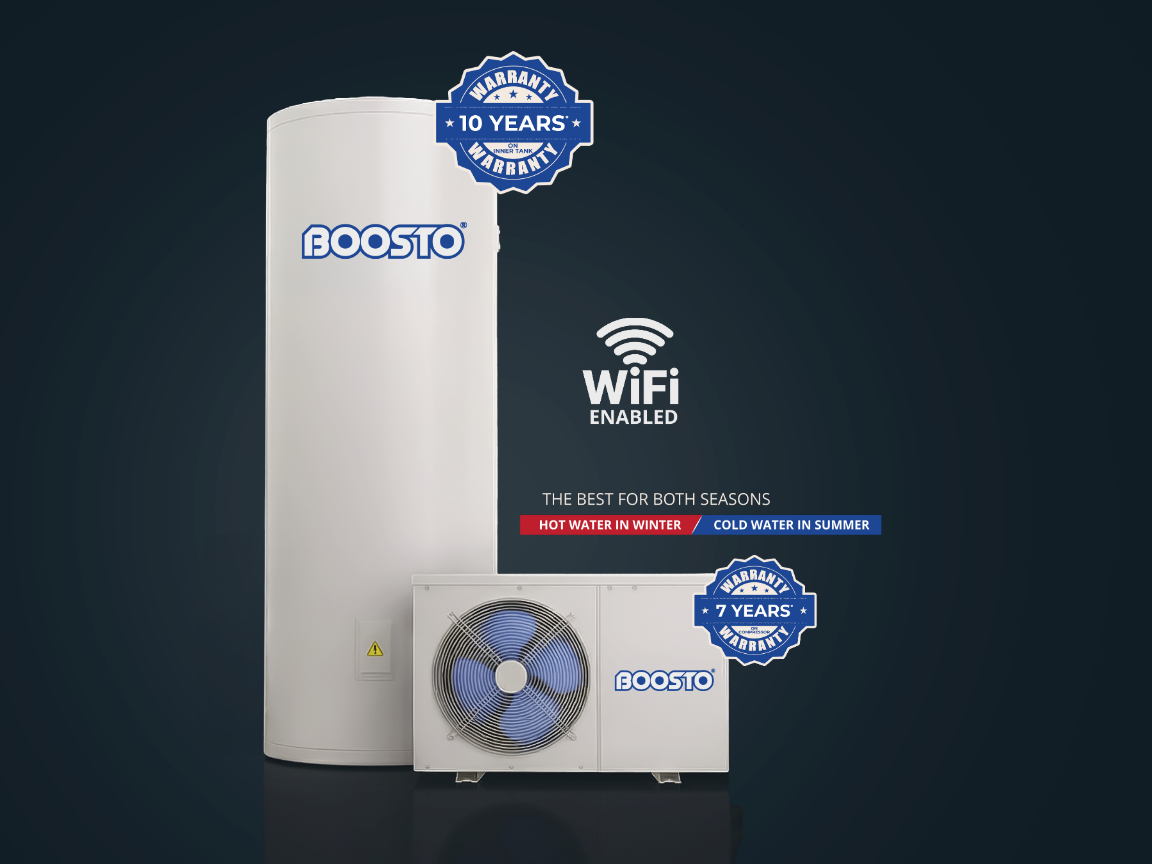
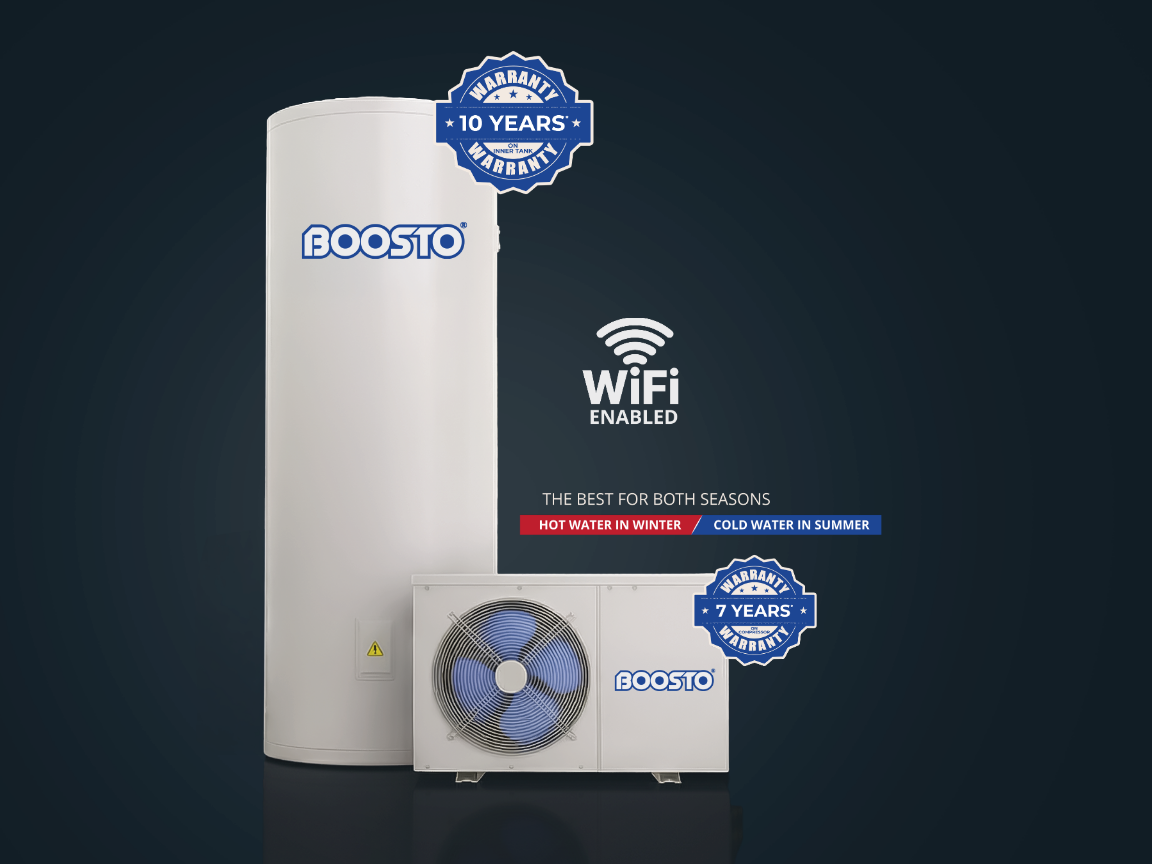
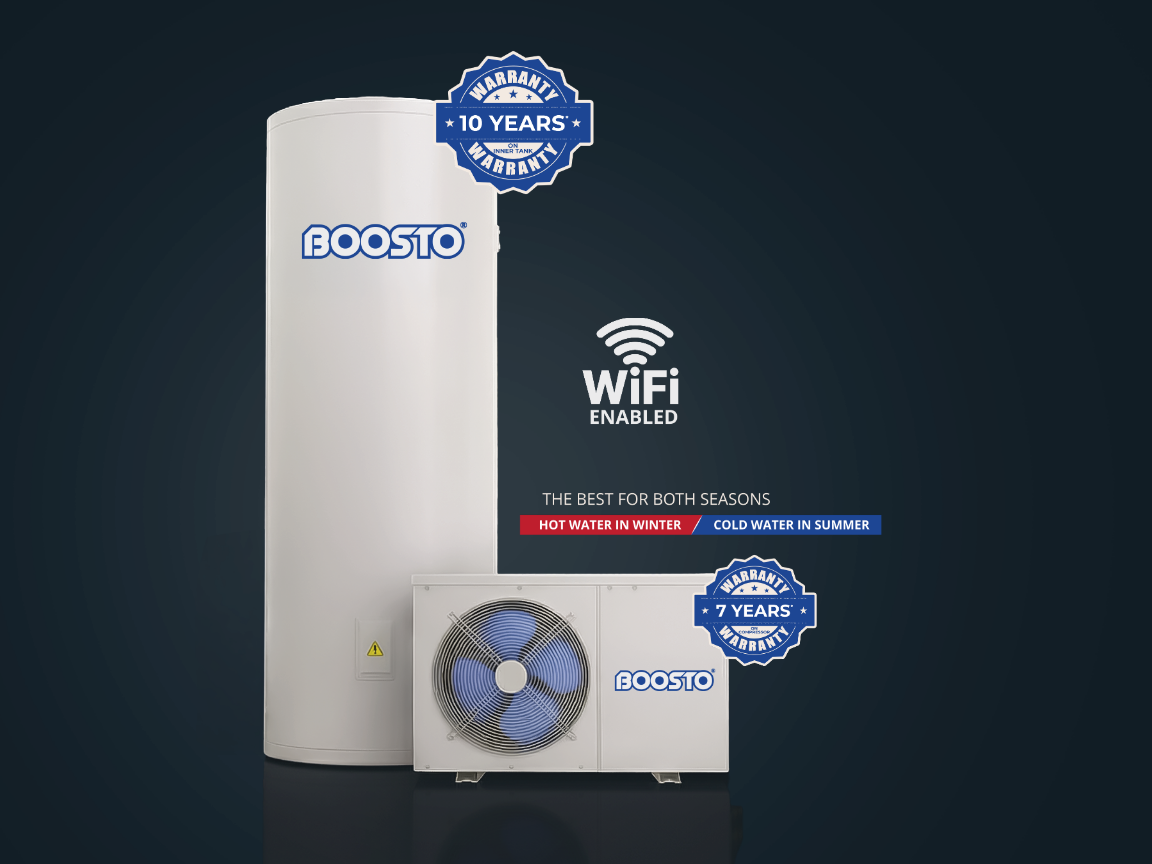
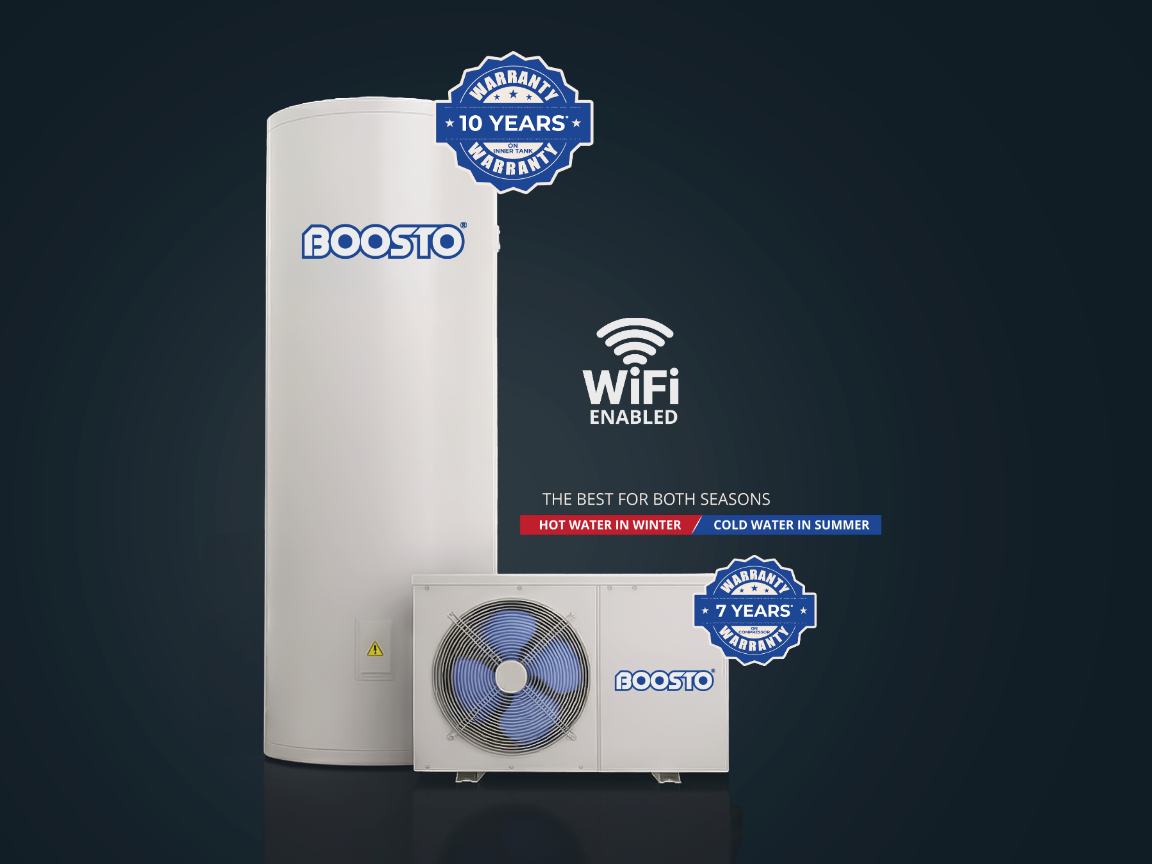
A high-quality heat pump, such as those manufactured by Boosto, can reduce electricity consumption by up to 75% while delivering a consistent supply of hot water throughout the year.
In this comprehensive guide, you'll learn exactly how a heat pump works, the science behind it, its major components, benefits, applications, and why it has become the preferred choice for residential, commercial, and industrial water heating.
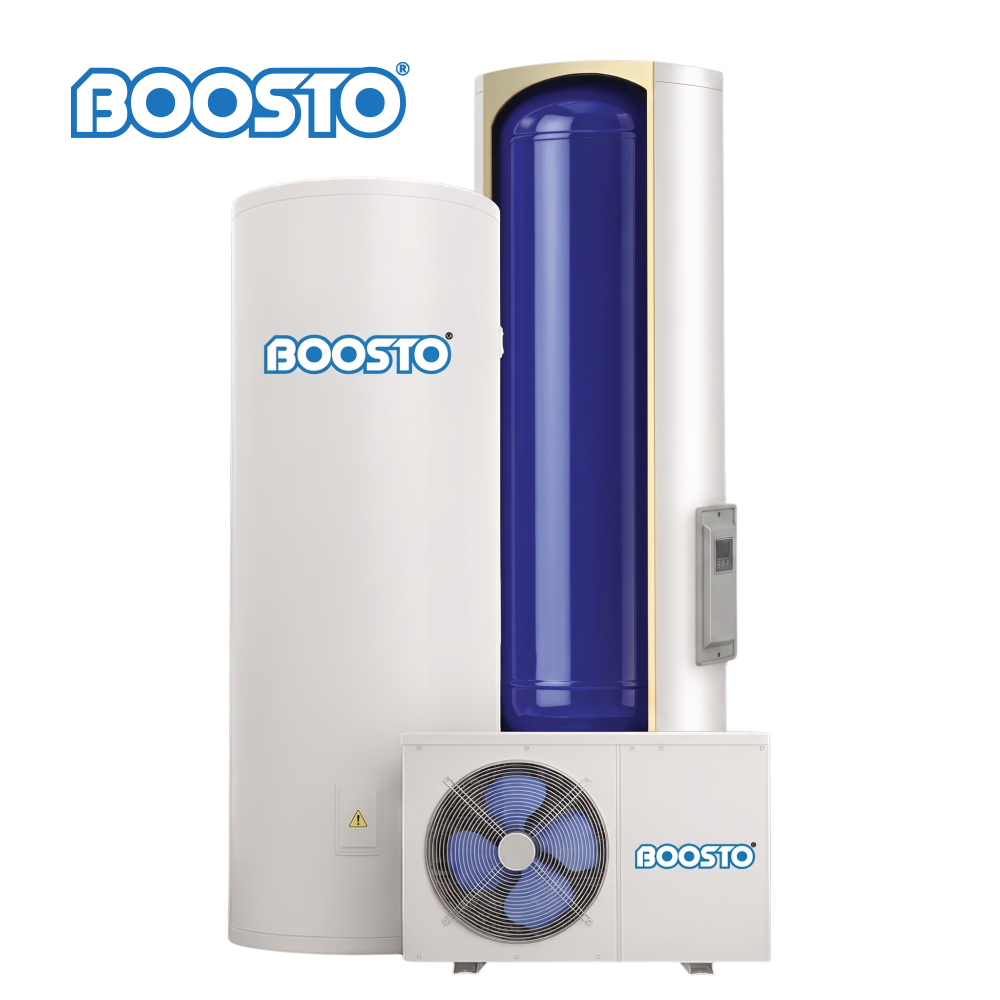
What Is a Heat Pump?
A heat pump is an advanced heating system that extracts heat from the surrounding air and transfers it into water using a refrigeration cycle.
Unlike traditional electric geysers that generate heat through electrical resistance, a heat pump moves existing heat from one place to another. Because moving heat requires much less electricity than creating it, heat pumps are significantly more energy efficient.
Think of a heat pump like a refrigerator operating in reverse.
- A refrigerator removes heat from inside and releases it outside.
- A heat pump removes heat from the outside air and transfers it into water.
This simple concept makes heat pumps one of the most efficient water heating technologies available.
The Basic Working Principle of a Heat Pump
The working principle of a heat pump is based on the refrigeration cycle, which consists of four continuous stages:
- Heat Absorption
- Compression
- Heat Transfer
- Expansion
This cycle repeats continuously until the desired water temperature is achieved.
Step 1 – Heat Absorption (Evaporator)
The process begins with the evaporator coil.
Even when the outside temperature feels cool, the surrounding air contains thermal energy. A fan draws ambient air across the evaporator coil, where a special refrigerant absorbs this heat.
The refrigerant is designed to evaporate at very low temperatures, allowing it to extract heat even in relatively cold weather.
At this stage:
- Ambient air transfers heat to the refrigerant.
- The refrigerant changes from a liquid into a low-pressure gas.
- No electric heating element is used.
This is the first reason why heat pumps consume much less electricity than conventional water heaters.
Step 2 – Compression
The gaseous refrigerant then enters the compressor.
The compressor is often described as the heart of the heat pump because it increases the pressure of the refrigerant.
When pressure increases, the refrigerant temperature rises significantly.
For example:
- Air temperature: 30°C
- Refrigerant after compression: Over 80°C
Only the compressor consumes significant electrical power during this process, which is why heat pumps remain highly energy efficient.
Step 3 – Heat Transfer to Water
The hot refrigerant now enters the condenser.
Inside the condenser, heat is transferred from the refrigerant to the water stored in the insulated tank.
As the refrigerant loses heat:
- Water temperature increases.
- Refrigerant cools down.
- Refrigerant changes back into a liquid.
This process continues until the water reaches the desired temperature, typically between 55°C and 60°C.
Step 4 – Expansion Valve
After leaving the condenser, the refrigerant passes through the expansion valve.
The expansion valve reduces the refrigerant pressure, lowering its temperature and preparing it to absorb heat again.
The refrigerant then returns to the evaporator, and the cycle repeats.
Because this process is continuous and automatic, the heat pump maintains a steady supply of hot water with minimal energy consumption.
Heat Pump Working Diagram
The complete heating cycle follows this sequence:
Ambient Air → Evaporator → Compressor → Condenser → Water Tank → Expansion Valve → Evaporator
This continuous cycle enables efficient heat transfer while consuming significantly less electricity than conventional heating methods.
Main Components of a Heat Pump
1. Evaporator
The evaporator captures heat from the surrounding air. It is specially designed to maximize heat absorption, even in moderate winter conditions.
2. Compressor
The compressor increases the refrigerant's pressure and temperature, making it possible to transfer heat efficiently to the water.
High-quality compressors improve:
- Heating efficiency
- Reliability
- System lifespan
- Energy savings
3. Condenser
The condenser transfers heat from the refrigerant into the water storage tank.
A well-designed condenser ensures faster heating while maintaining high efficiency.
4. Expansion Valve
The expansion valve regulates refrigerant pressure and prepares it for another heat absorption cycle.
Proper expansion control is essential for maintaining system performance and efficiency.
5. Refrigerant
The refrigerant is the heat-transfer medium within the system.
Modern heat pumps commonly use environmentally friendly refrigerants that provide excellent performance while minimizing environmental impact.
6. Fan
The fan continuously draws ambient air across the evaporator, ensuring a steady supply of heat energy.
7. Water Storage Tank
The insulated storage tank keeps hot water at the desired temperature for extended periods with minimal heat loss.
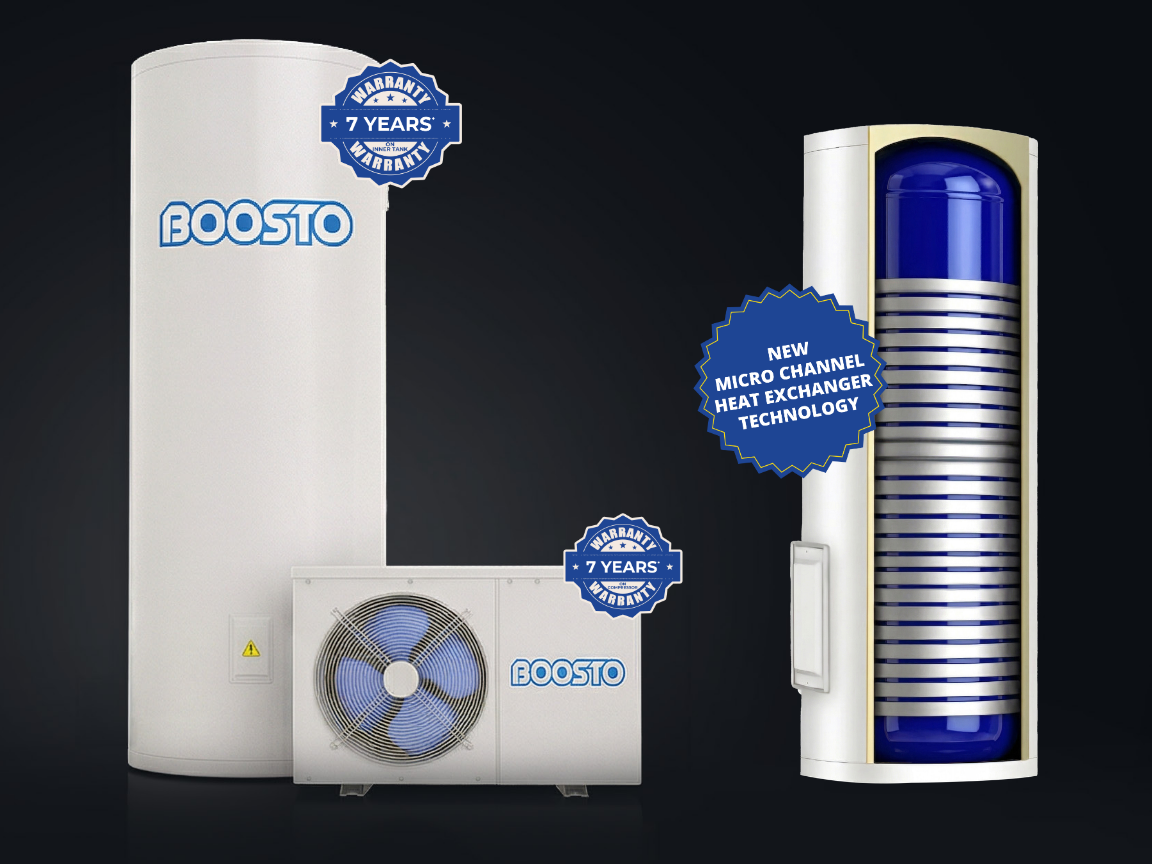
Premium tanks, such as those offered by Boosto, are engineered to resist corrosion and improve durability.
Why Heat Pumps Save Up to 75% Electricity
The biggest advantage of heat pump technology is its exceptional efficiency.
A traditional electric water heater converts one unit of electricity into approximately one unit of heat.
A heat pump, however, uses electricity only to operate the compressor and fan while obtaining most of the heating energy from the surrounding air.
This allows a heat pump to deliver approximately 3 to 5 units of heat for every unit of electricity consumed.
This performance is measured using the Coefficient of Performance (COP).
For example:
- Electric Water Heater: COP ≈ 1.0
- Heat Pump: COP 3.5–5.0
A higher COP means greater energy efficiency and lower operating costs.
What Is COP?
COP (Coefficient of Performance) measures the efficiency of a heat pump.
Formula:
COP = Heating Output ÷ Electrical Input
For example:
- Electrical Input: 1 kW
- Heating Output: 4 kW
- COP = 4
This means the system delivers four times more heating energy than the electrical energy it consumes.
The higher the COP, the lower your electricity bill.
Can Heat Pumps Work During Winter?
Yes.
One common misconception is that heat pumps only work in hot climates.
Modern air-to-water heat pumps are engineered to extract heat from the air even at relatively low ambient temperatures.
Advanced inverter technology, intelligent controls, and high-efficiency compressors ensure reliable hot water production throughout the year.
About the Author
This article was written and reviewed by the Boosto Heat Pumps Water Heater Team. With over 12,400+ successful installations across India, Boosto specializes in commercial heat pumps and glass-lined water heaters engineered specifically for harsh Indian groundwater.
Frequently Asked Questions
A heat pump works by extracting heat from the surrounding air and transferring it into water using a refrigeration cycle. Instead of generating heat directly like an electric geyser, it moves existing heat, making it highly energy efficient and capable of reducing electricity consumption by up to 75%.
The working principle of a heat pump is based on the vapor compression refrigeration cycle. It consists of four main stages: heat absorption through the evaporator, compression, heat transfer through the condenser, and pressure reduction using the expansion valve. This cycle continuously heats water with minimal electricity.
A quality heat pump can save up to 75% electricity compared to traditional electric water heaters. Since it transfers heat instead of generating it, it delivers significantly more heating energy for every unit of electricity consumed.
COP (Coefficient of Performance) measures the efficiency of a heat pump. For example, a heat pump with a COP of 4 produces 4 kW of heat while consuming only 1 kW of electricity. Most modern heat pumps have a COP between 3.5 and 5.0 under standard operating conditions.
Yes. Modern air-to-water heat pumps are designed to operate efficiently even in colder weather. They extract heat from the ambient air and continue producing hot water across a wide range of outdoor temperatures.
Yes. Heat pumps are far more energy efficient than electric water heaters. While electric geysers convert electricity directly into heat, heat pumps transfer existing heat from the air, reducing electricity consumption and lowering long-term operating costs.
A well-maintained heat pump typically lasts 15 to 20 years. Regular servicing, timely maintenance, and proper installation help maximize its lifespan and performance.
Yes. Heat pumps are designed to provide a continuous supply of hot water when paired with a properly sized insulated storage tank. They are suitable for homes, hotels, hospitals, apartments, and industrial facilities.
Most residential heat pumps can heat water up to 55°C–60°C, while specialized high-temperature models can reach 80°C or higher, depending on the product design.
Absolutely. Heat pumps perform exceptionally well in India's climate due to the availability of warm ambient air throughout most of the year, making them an ideal energy-efficient water heating solution.
Modern heat pumps commonly use environmentally friendly refrigerants such as R32, R410A, or R290, depending on the model. These refrigerants provide efficient heat transfer while complying with environmental standards.
Yes. A heat pump can completely replace an electric or gas water heater. It offers faster recovery, lower electricity consumption, and significantly reduced operating costs while providing the same hot water comfort.
Heat pumps require minimal maintenance. Regular cleaning of air filters, inspection of refrigerant levels, checking electrical connections, and periodic servicing help maintain optimal efficiency and extend system life.
Yes. Heat pumps produce lower carbon emissions than conventional water heating systems because they consume less electricity. They are considered one of the most sustainable technologies for water heating.